
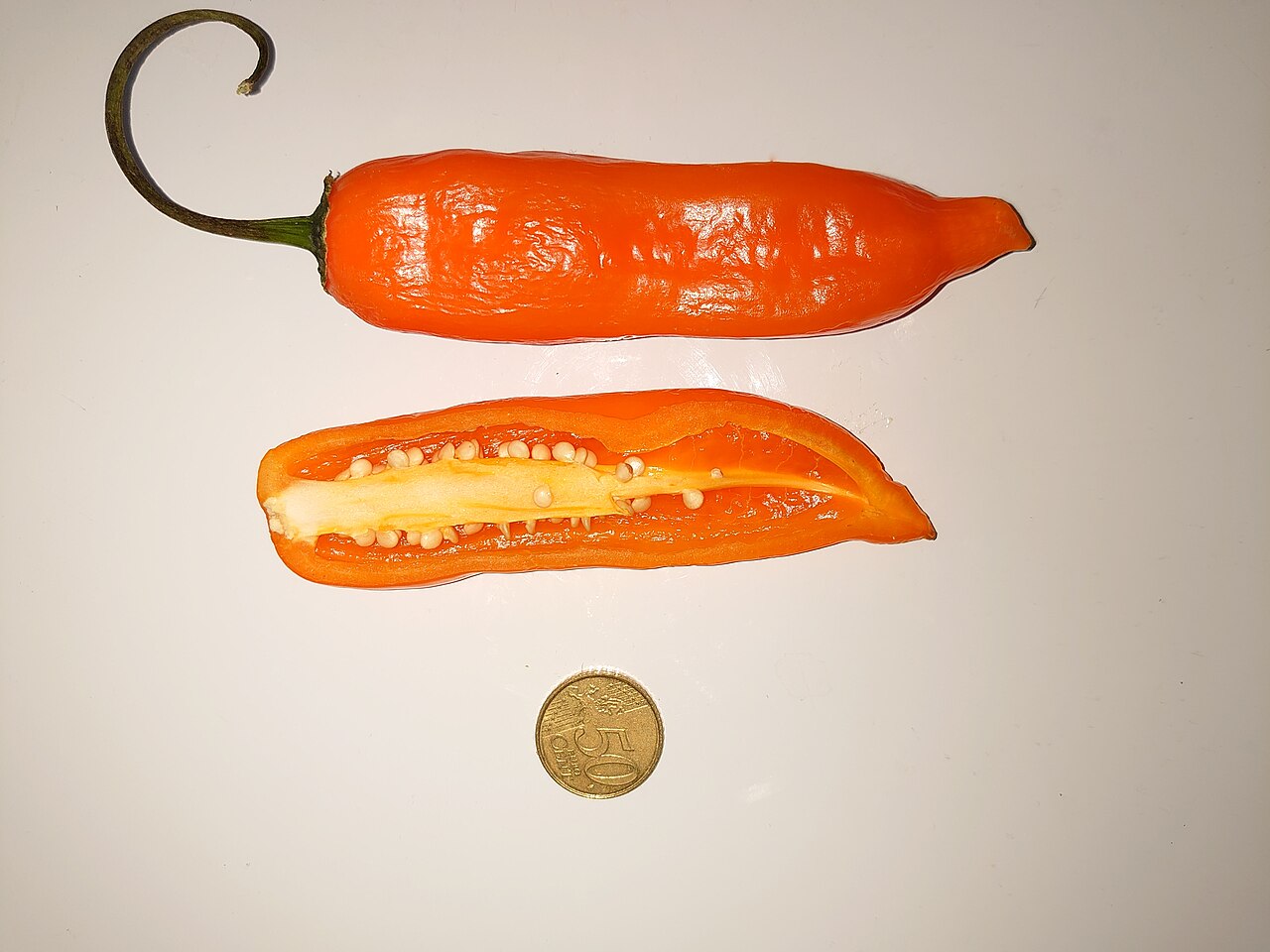
Ají Amarillo – Capsicum Baccatum seeds
Reforest AustraliaCape Schanck Road, Cape Schanck, Victoria, Australia
$12.00
Capsicum baccatum – Ají Amarillo (25 x seeds)
Ají amarillo is a cultivated chilli belonging to Capsicum baccatum, particularly the forms traditionally known as C. baccatum var. pendulum. It originates in Peru and the wider Andean region, where cultivated forms are adapted to a surprisingly broad range of environments from lowlands to mid-elevation valleys. It is a warm-season perennial in frost-free climates but is commonly grown as an annual in cooler gardens.
Ají amarillo is a domesticated crop with a long agricultural history in South America. Its cultivated relatives are distributed through Peru, Bolivia, Ecuador, Colombia, Argentina, Paraguay and parts of Brazil. It has been adapted to environments ranging from around 150 to 3,400 metres elevation.
In the vegetable garden, Ají amarillo grows well alongside basil, coriander, parsley, lettuce and other relatively low-growing herbs and vegetables that do not compete heavily for light. Avoid planting it too densely; good airflow around the foliage helps reduce fungal problems.
The elongated fruits are the main reason Ají amarillo is cultivated. They are traditionally harvested green or fully ripe and orange, and used fresh, dried or ground as a chilli, seasoning and vegetable. It is one of the defining ingredients of Peruvian cuisine, featuring in dishes including ají de gallina, causa and papa a la huancaína. The crop has been cultivated in Peru for thousands of years and remains an important part of Peruvian food culture.
Ají amarillo needs warmth, full sun and fertile, well-drained soil. Keep the soil consistently moist without allowing it to remain waterlogged. Plants perform particularly well around 20–26°C and are sensitive to frost. In cooler Australian climates, plant after the danger of frost has passed and grow it in the warmest, most sheltered part of the garden. A long growing season is required for a substantial crop.
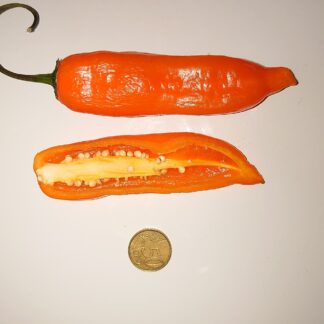
Plants commonly reach around 1–1.5 metres high and form a similar width when well grown, although size varies considerably with climate and cultivation. The leaves are medium to dark green, smooth and oval to lance-shaped. Small white, star-like flowers are produced singly or in small groups and characteristically have yellow-green to brownish markings near the base of the petals. Fruits are elongated and pendulous, generally around 10–15 cm long, changing from green to yellow-orange and finally bright orange when fully ripe.
Ají has an exceptionally long history of cultivation and consumption in the Andes and coastal Peru. Archaeological evidence demonstrates that Capsicum baccatum forms were being consumed thousands of years ago. Traditionally, the fruits were used fresh, dried and ground as a condiment and vegetable, becoming deeply embedded in Peruvian and Andean cuisine.
For the home garden, plant Ají amarillo in full sun once the soil has warmed in spring. Give each plant approximately 60–80 cm of space, provide fertile soil and maintain regular moisture throughout flowering and fruit development. A stake or small support can be useful when heavily laden with fruit. In southern Australia, it is best treated as a summer crop and protected from cold weather. With warmth, sunlight and a long growing season, it can produce an impressive crop of intensely flavoured orange chillies.
PROPAGATION NOTES:
For great results refrigerate your seeds for 1-2 weeks before sowing. This emulates an over-wintering effect that helps with germination rates.
Sow seeds in a high quality potting mix.
A good general rule to follow is to sow seeds at a depth relative to the size of the seed.
(Eucalyptus seeds require a light dusting of soil as their seeds are usually tiny. Warrigal Greens require a 50mm to 100mm depth.)
Keep moist, water daily until germination in 2-8 weeks at a minimum of 20° Celsius.
Reduce your watering amount once germination has occurred.
Sow at any time of the year, but you’ll experience a lower germination rate in the middle of winter.
15 in stock

-

Eucalyptus Obliqua – Messmate Stringybark seeds
$14.00 Read more -
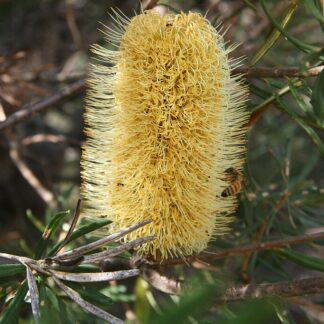
Banksia Marginata – Silver Banksia seeds
$16.00 Add to cart -
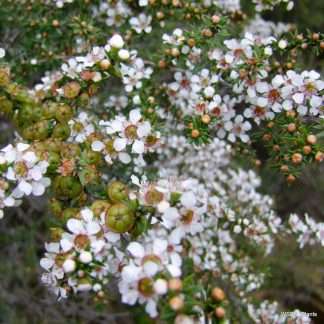
Leptospermum Continentale – Prickly Tea-tree seeds
$7.00 Read more -
Melaleuca ericifolia – Swamp Paperbark seeds
$10.00 Read more -
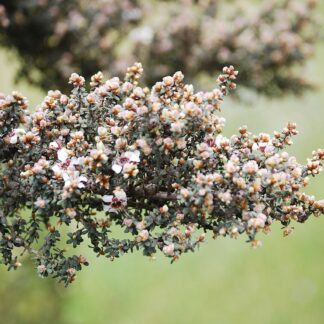
Leptospermum Lanigerum – Woolly Tea Tree seeds
$12.00 Add to cart -
Eucalyptus Pulverulenta – Euc ‘Baby Blue’ – Shrub Form – 4gm seeds
$24.00 Add to cart





Reviews
There are no reviews yet.