

Poa Sieberiana – Snow Grass seeds
Reforest AustraliaCape Schanck Road, Cape Schanck, Victoria, Australia
$12.00
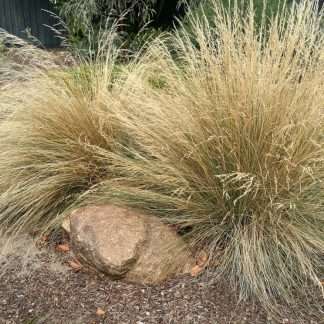
Poa sieberiana – Snow Grass
Packet of 300-400 seeds.
SEEDS: Enough for you to successfully grow between 100-200 plants. Your seeds are of the same stock we use to grow our native plants in the nursery. The success of germination varies with open-pollinated, wild-collected seeds and after years of consistently growing these species in the local area, I have selected the amount of seed you need to successfully grow between 100-200 plants yourself. These seeds are collected seasonally and with sincere cultural and ecological respect. Ordering a quantity according to this scale rather than ordering individual seeds is a better representation of sustainable seed harvesting and success for the grower.
Poa sieberiana – Snow Grass
Habit and Habitat:
Poa sieberiana, commonly known as Snow Grass, is a cool-climate, perennial tussock grass native to southeastern Australia. It is widely distributed across subalpine regions, grassy woodlands, dry forests and tablelands, particularly in Victoria, New South Wales, the ACT and parts of Tasmania. This hardy grass thrives in well-drained soils and open sites, often forming part of the understorey in temperate eucalypt woodlands and native grasslands.
Place in Local Habitat and Ecosystem Distribution:
In the wild, Poa sieberiana plays an important ecological role as ground cover, helping to stabilise soil and prevent erosion on slopes and disturbed sites. It is a foundational species in temperate grasslands and grassy woodland communities, contributing to habitat structure and food supply. The small tussocks offer shelter for insects, reptiles, and small mammals, while seed heads provide seasonal food for granivorous birds.
Planting Companions:
Snow Grass works well alongside species such as Themeda triandra (Kangaroo Grass), Bursaria spinosa, Acacia acinacea, Eucalyptus pauciflora, and wildflowers like Chrysocephalum apiculatum and Dianella revoluta. Together, these create a robust, diverse, and low-maintenance native planting palette suited to cool and temperate gardens.
Human and Wildlife Uses:
This species is highly valued for its habitat benefits—tussocks provide nesting material and cover for small fauna, while its seeds support native birds. Indigenous Australians may have used the plant’s fibrous leaves in weaving and the roots in making string, though records of direct use are limited. In a garden or farm context, it is often planted to reduce erosion, support biodiversity, and create a soft, flowing aesthetic in native landscapes.
Care Instructions:
Poa sieberiana prefers full sun to light shade and is well-suited to sandy or loamy soils with good drainage. It is drought-hardy once established and requires little maintenance. While it is not suitable for high-traffic areas, it thrives in borders, open gardens, and meadow-style plantings.
Size, Height, Width, Flower and Leaf Characteristics:
This grass typically grows in neat tussocks ranging from 30 to 80 cm high and 30 to 60 cm wide. The leaves are narrow, arching and blue-green to greyish in tone, providing year-round texture. Flowering occurs from spring to summer, with airy, purplish to straw-coloured seed heads held above the foliage on slender stems, catching the light and swaying gracefully in the breeze.
Latin Etymology:
The genus name Poa comes from the Greek word for grass, while the species name sieberiana honours Austrian botanist Franz Sieber, who collected plant specimens in Australia in the early 19th century.
Traditional Uses:
Though not heavily documented, the strong fibrous foliage may have been used traditionally in weaving or bedding. Its presence in culturally significant grassland environments also suggests it played a role in the broader ecological knowledge systems of First Nations people.
Planting Guidelines:
To establish Poa sieberiana in a home garden, choose a well-drained site with plenty of sun. It is ideal for mass plantings, verge gardens, revegetation work, or adding movement and softness to native landscapes. While low-fuss, it will benefit from a periodic cut-back to remove spent foliage and stimulate fresh growth. Snow Grass is a resilient and attractive addition to gardens aiming to support biodiversity while maintaining a gentle, natural feel.
PROPAGATION NOTES:
For great results refrigerate your seeds for 1-2 weeks before sowing. This emulates an over-wintering effect that helps with germination rates.
Sow seeds in a native-specific potting mix.
A good general rule to follow is to sow seeds at a depth relative to the size of the seed.
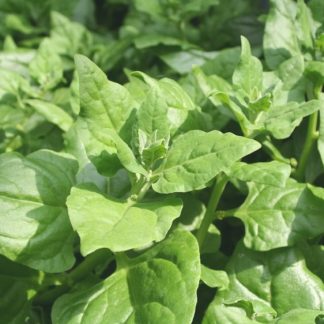
(Eucalyptus seeds require a light dusting of soil as their seeds are usually tiny. Warrigal Greens require a 50mm to 100mm depth.)
Keep moist, water daily until germination in 3-12 weeks at a minimum of 15° Celsius.
Reduce your watering amount once germination has occurred.
Sow at any time of the year, but you’ll experience a lower germination rate in the middle of winter.
19 in stock (can be backordered)

-

Microseris Scapigera – Murnong (Yam Daisy) seeds
$14.00 Add to cart -
Banksia Marginata – Silver Banksia seeds
$16.00 Add to cart -
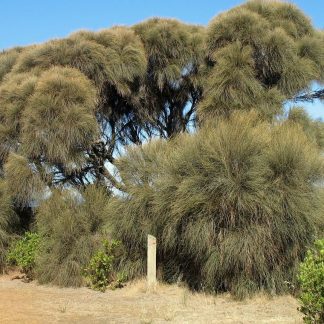
Melaleuca ericifolia – Swamp Paperbark seeds
$10.00 Read more -
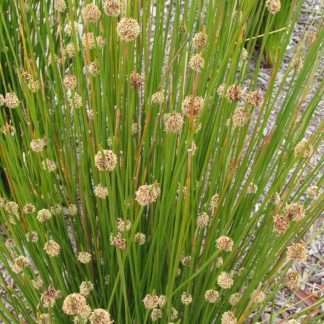
Poa Poiformis – Coastal Tussock-grass seeds
$12.00 Add to cart -
Banksia Grandis – Bull Banksia seeds
$16.00 Add to cart -
Poa Labillardierei – Common Tussock-Grass seeds
$12.00 Add to cart


Reviews
There are no reviews yet.