

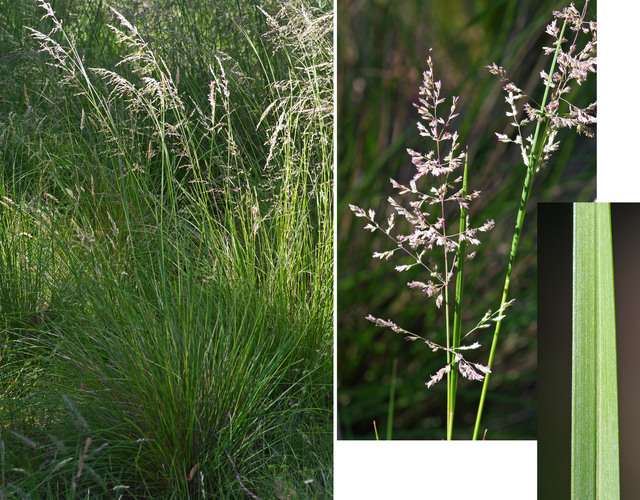
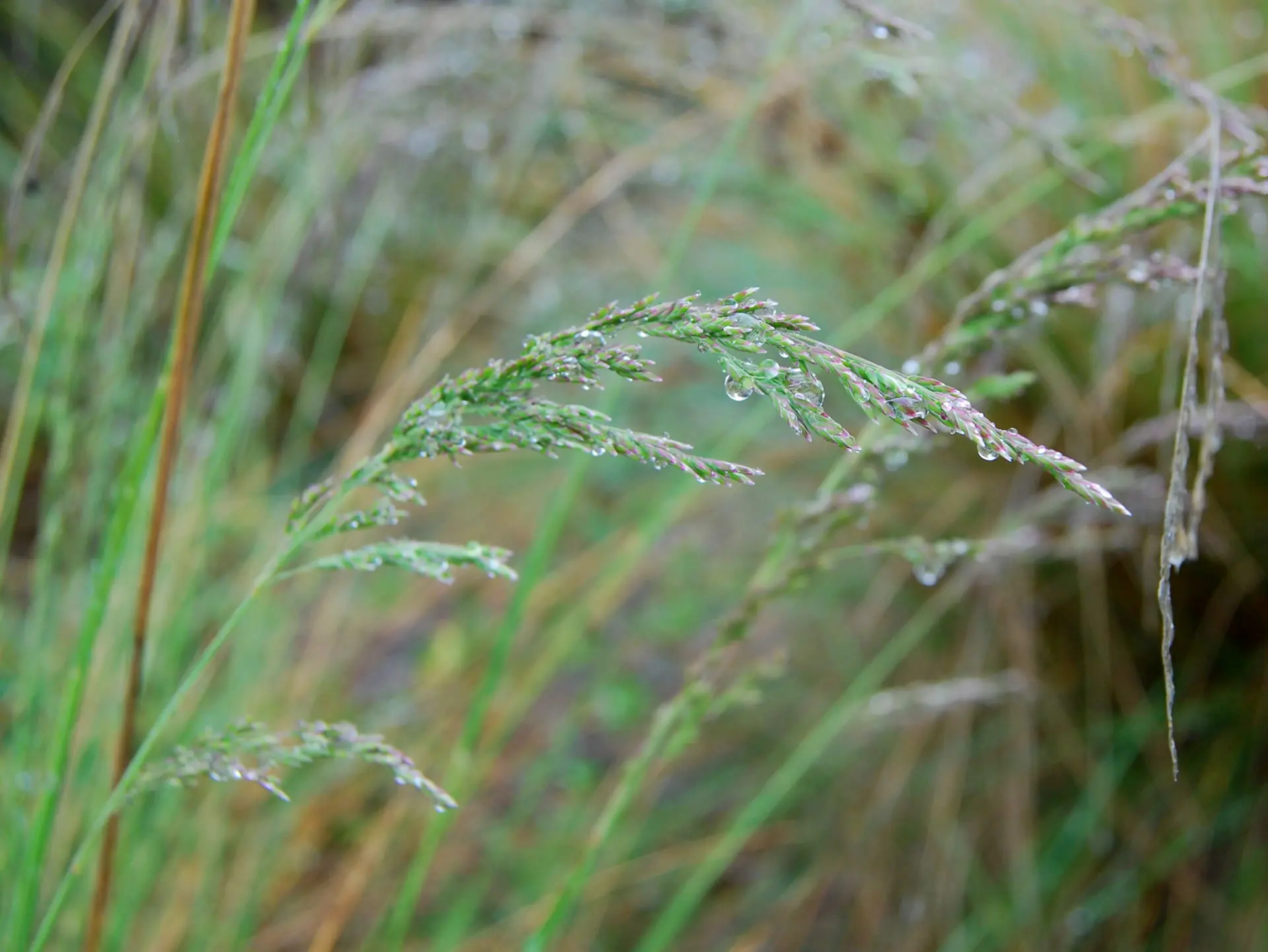
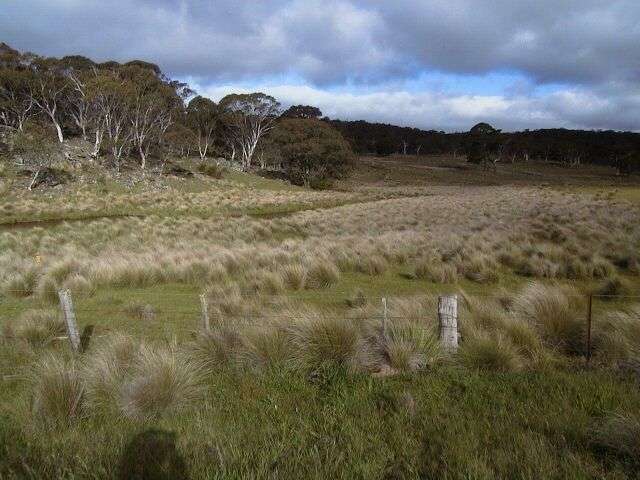
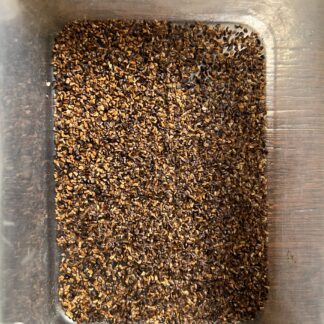
Poa Labillardierei – Common Tussock-Grass seeds
Reforest AustraliaCape Schanck Road, Cape Schanck, Victoria, Australia
$12.00
Poa labillardierei – Common Tussock Grass
Packet of 300-400 seeds.
SEEDS: Enough for you to successfully grow between 100-200 plants. Your seeds are of the same stock we use to grow our native plants in the nursery. The success of germination varies with open-pollinated, wild-collected seeds and after years of consistently growing these species in the local area, I have selected the amount of seed you need to successfully grow between 100-200 plants yourself. These seeds are collected seasonally and with sincere cultural and ecological respect. Ordering a quantity according to this scale rather than ordering individual seeds is a better representation of sustainable seed harvesting and success for the grower.
Poa labillardierei – Common Tussock Grass
Habit and Habitat:
Poa labillardierei, or Common Tussock Grass, is a robust, cool-climate, perennial grass native to southeastern Australia. Found in moist, fertile soils across open woodlands, grasslands, riparian zones and along the edges of wet forests, this species is known for its large, dense tussocks and graceful, arching foliage. It thrives in areas with reliable rainfall but is adaptable to a variety of conditions once established.
Place in Local Habitat and Ecosystem Distribution:
This grass plays a key structural role in the understorey of many temperate ecosystems, offering habitat for insects, reptiles and ground-dwelling birds. It helps control erosion, particularly on slopes and along waterways, and contributes to soil health through organic matter accumulation. Its widespread distribution throughout Victoria, New South Wales, Tasmania and South Australia makes it an important species in both natural and restored landscapes.
Planting Companions:
Common Tussock Grass pairs well with other moisture-loving natives such as Carex appressa, Juncus spp., Lomandra longifolia, and riparian shrubs like Leptospermum lanigerum or Melaleuca squarrosa. In drier gardens, it can still be successful if sited well and accompanied by tough species like Dianella tasmanica, Themeda triandra or Eucalyptus ovata.
Human and Wildlife Uses:
The grass is highly valued as habitat for small animals, especially lizards and frogs, while its fine seeds feed small birds. The dense base of the plant provides year-round shelter. In farming and permaculture contexts, it is used for stabilising damp pastures and riparian edges. There are limited records of direct Indigenous use, though its structural fibre may have been used in weaving or thatching.
Care Instructions:
Poa labillardierei prefers moist, well-drained soils and full sun to part shade. It will tolerate seasonal inundation and moderate dry periods once established. Though fast-growing, it can become large, so give it space to breathe in design layouts.
Size, Height, Width, Flower and Leaf Characteristics:
This species typically forms broad tussocks 50 to 100 cm high and wide. The blue-green to grey-green leaves are fine and arching, creating a soft, textural presence. Flowering stems appear from late spring through summer, rising well above the foliage with loose, feathery, purplish to straw-coloured panicles that sway elegantly in the wind.
Latin Etymology:
The genus Poa is derived from the Greek word for “fodder” or “grass,” reflecting the plant’s grassy form. The species name labillardierei honours Jacques-Julien Houtou de Labillardière, a French botanist who collected extensively in Australia during the late 18th century.
Traditional Uses:
While not widely documented for traditional use, the species’ fibrous leaves and ecological presence in Country suggest potential roles in shelter-building, weaving, and seasonal knowledge systems of First Nations peoples.
Planting Guidelines:
To grow Poa labillardierei in the home garden, select a site with some moisture and sun. It is ideal for rain gardens, swales, damp borders, or adding bulk and movement to habitat-focused designs. Space plants around 80 cm apart for a natural look, and combine with flowering understorey species for colour and diversity. With its adaptability, habitat value and soft form, this grass is a cornerstone of cool-climate native garden design.
PROPAGATION NOTES:
For great results refrigerate your seeds for 1-2 weeks before sowing. This emulates an over-wintering effect that helps with germination rates.
Sow seeds in a native-specific potting mix.
A good general rule to follow is to sow seeds at a depth relative to the size of the seed.
(Eucalyptus seeds require a light dusting of soil as their seeds are usually tiny. Warrigal Greens require a 50mm to 100mm depth.)
Keep moist, water daily until germination in 3-12 weeks at a minimum of 15° Celsius.
Reduce your watering amount once germination has occurred.
Sow at any time of the year, but you’ll experience a lower germination rate in the middle of winter.
17 in stock


-

Microseris Scapigera – Murnong (Yam Daisy) seeds
$14.00 Add to cart -
Eucalyptus Obliqua – Messmate Stringybark seeds
$7.00 Read more -
Eucalyptus Pauciflora – Snow Gum seeds
$12.00 Add to cart -
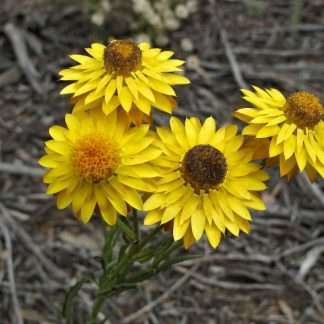
Xerochrysum Bracteatum – Golden Everlasting / Strawflower seeds
$7.00 Read more -
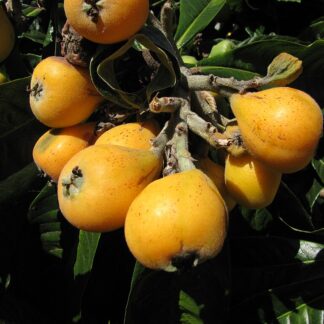
Eriobotrya Japonica – Loquat seeds
$12.00 Read more -
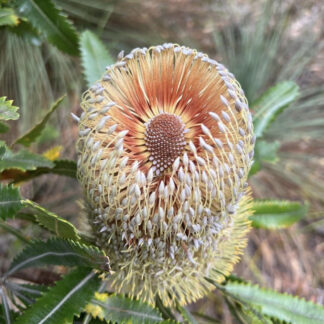
Banksia Serrata – Saw-tooth Banksia seeds
$14.00 Add to cart

Reviews
There are no reviews yet.