Microseris scapigera – Murnong (Yam Daisy) (pack of 80)
Habit and Habitat:
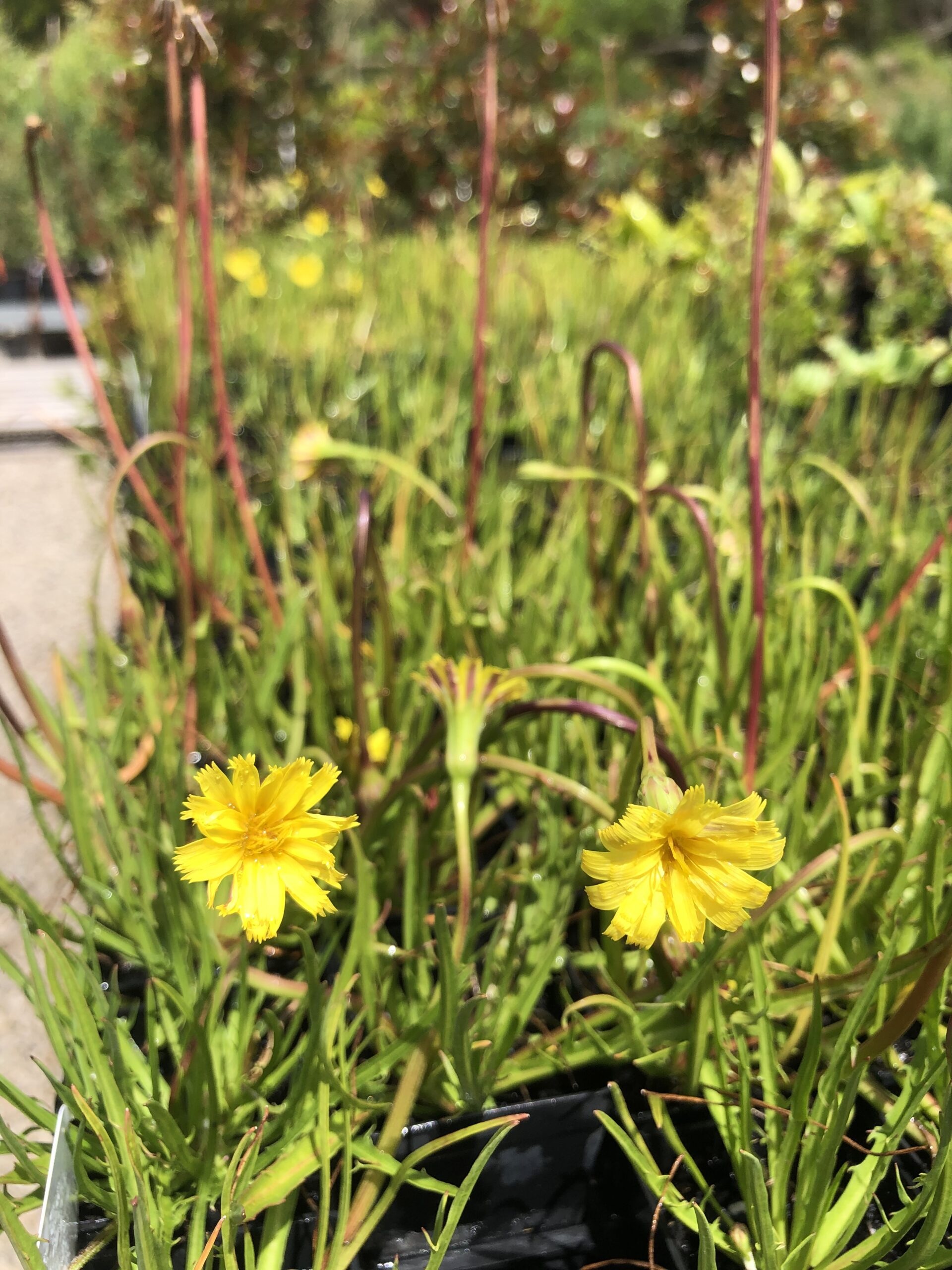
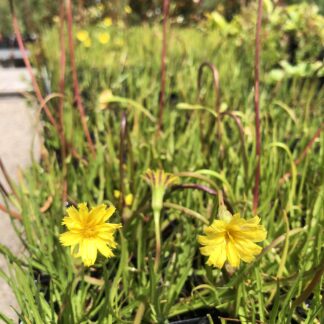
Murnong, scientifically known as Microseris scapigera, is a remarkable Australian native plant celebrated for its historical significance and unique habit. This perennial herb emerges from a basal rosette of leaves, showcasing slender stems crowned with bright yellow flowers. Murnong thrives in a range of habitats, including grasslands, open woodlands, and heathlands.
Place in Local Habitat and Ecosystem Distribution:
Within its natural habitat, Murnong contributes to the biodiversity of Australian ecosystems. It is commonly found in the southern regions of the continent, adapting to diverse soil types and climatic conditions.
Planting Companions:
In a home garden, Murnong pairs well with other native species such as Poa species, Themeda triandra (Kangaroo Grass), and Brachyscome species. These companions create a harmonious landscape reminiscent of the plant’s native environment.
Human and Wildlife Uses:
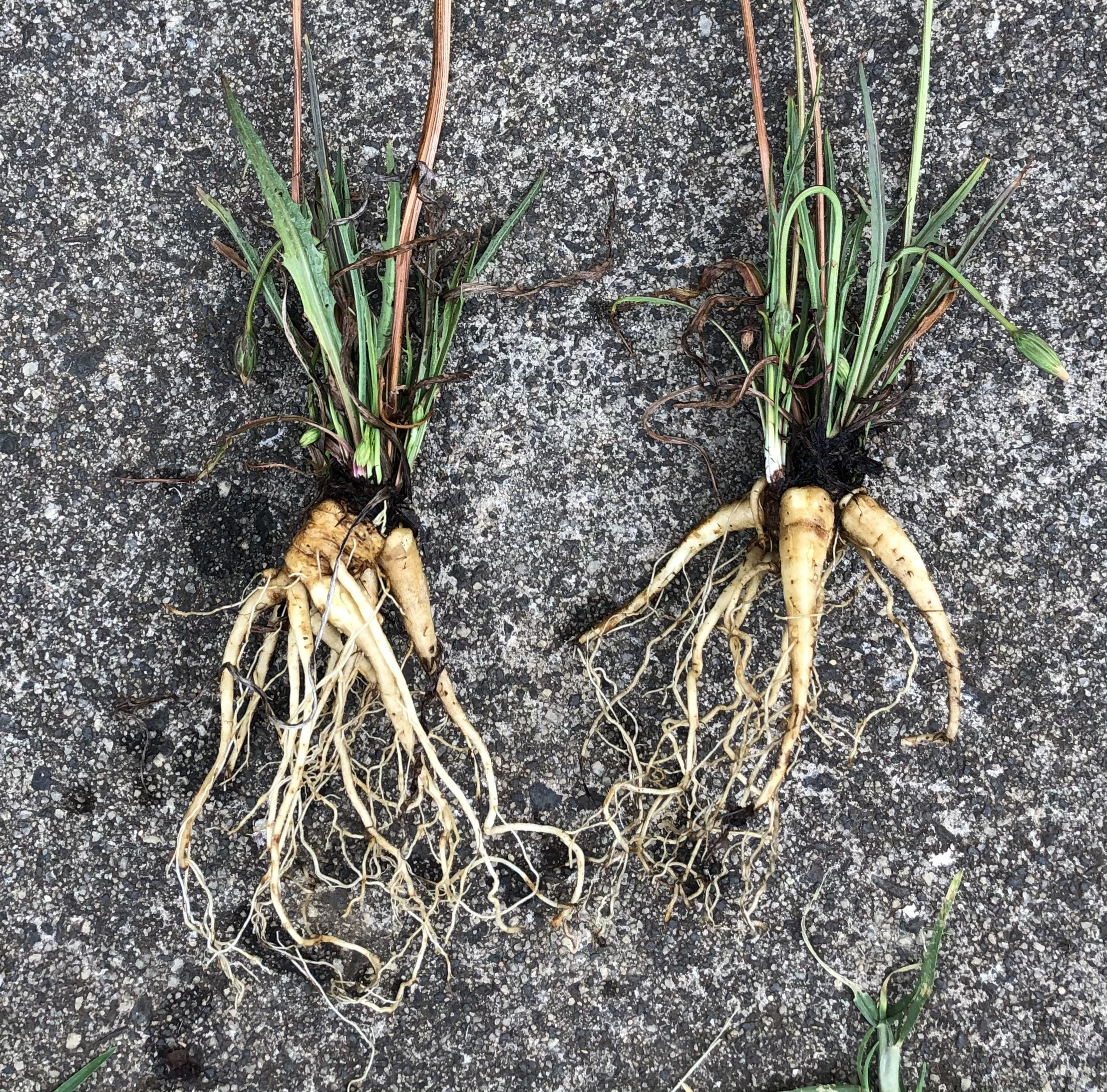
Murnong has a rich cultural history among Indigenous communities, serving as a traditional food source. The tuberous roots, known as yam daisies, were a staple in the diet of Aboriginal people. In addition to its historical significance, Murnong attracts pollinators with its vibrant yellow flowers, enhancing the garden’s ecological value.
Care Instructions:
Cultivating Murnong in your home garden requires well-drained soil and a sunny location. The plant is well-adapted to Australia’s dry conditions but benefits from occasional watering, especially during prolonged dry spells. Minimal maintenance is needed, making it a suitable choice for low-maintenance landscapes.
Size, Height, Width, Flower, and Leaf Characteristics:
Murnong typically reaches a height of 20 to 30 centimeters, forming a basal rosette of lance-shaped leaves. The flowering stems can extend up to 50 centimeters, bearing bright yellow daisy-like flowers. The leaves and flowers add a burst of color to the garden.
Latin Etymology:
The genus name “Microseris” is derived from the Greek words “micros,” meaning small, and “seris,” a term used by Pliny for a chicory-like plant. The species name “scapigera” refers to its scape-bearing habit, where the flower stems arise directly from the root or crown without intervening leaves.
Traditional Uses:
Murnong holds cultural significance for Indigenous Australians, who traditionally harvested and consumed the yam-like tubers. The plant’s resilience and ability to thrive in various conditions made it a valuable and reliable food source.
Planting Guidelines:
To plant Murnong in your home garden, choose a well-drained location with access to full sunlight. Plant tubers at a depth of 5 to 10 centimeters during the cooler months for optimal growth. Murnong requires minimal intervention, making it a fascinating and low-maintenance addition to native plant gardens.
Here is an interesting group of information about the plant:
https://www.abc.net.au/education/aboriginal-ingenuity-ch-9-murnong/13500226
PROPAGATION NOTES:
Your seeds come pre-stratified. But if you’re storing them, for great results refrigerate your seeds for 1-2 weeks before sowing. This emulates an over-wintering effect that helps with germination rates.
Sow seeds in a native-specific potting mix.
A good general rule to follow is to sow seeds at a depth relative to the size of the seed.
(Eucalyptus seeds require a light dusting of soil as their seeds are usually tiny. Warrigal Greens require a 50mm to 100mm depth.)
Keep moist, water daily until germination in 3-12 weeks at a minimum of 15° Celsius.
Reduce your watering amount once germination has occurred.
Sow at any time of the year.
*The pack includes 80-100 seeds. We are experiencing an +95% germination rate with these seeds under ideal conditions.




Reviews
There are no reviews yet.